
Second International
About Kurşunlu History Congress
- Dates
- 26–27 December 2026
- Venue
- İvedik Teknopark Ankara Congress Centre
- Languages
- Turkish; presentations in other languages with simultaneous interpreting
In 1811, an Ottoman embassy delegation travelling to Iran stopped in Karacaviran. Osman Şakir Efendi, a member of the delegation, painted the town in watercolour. Two hundred and fifteen years later, local historians and international archaeologists are gathering to trace the history of the same town.
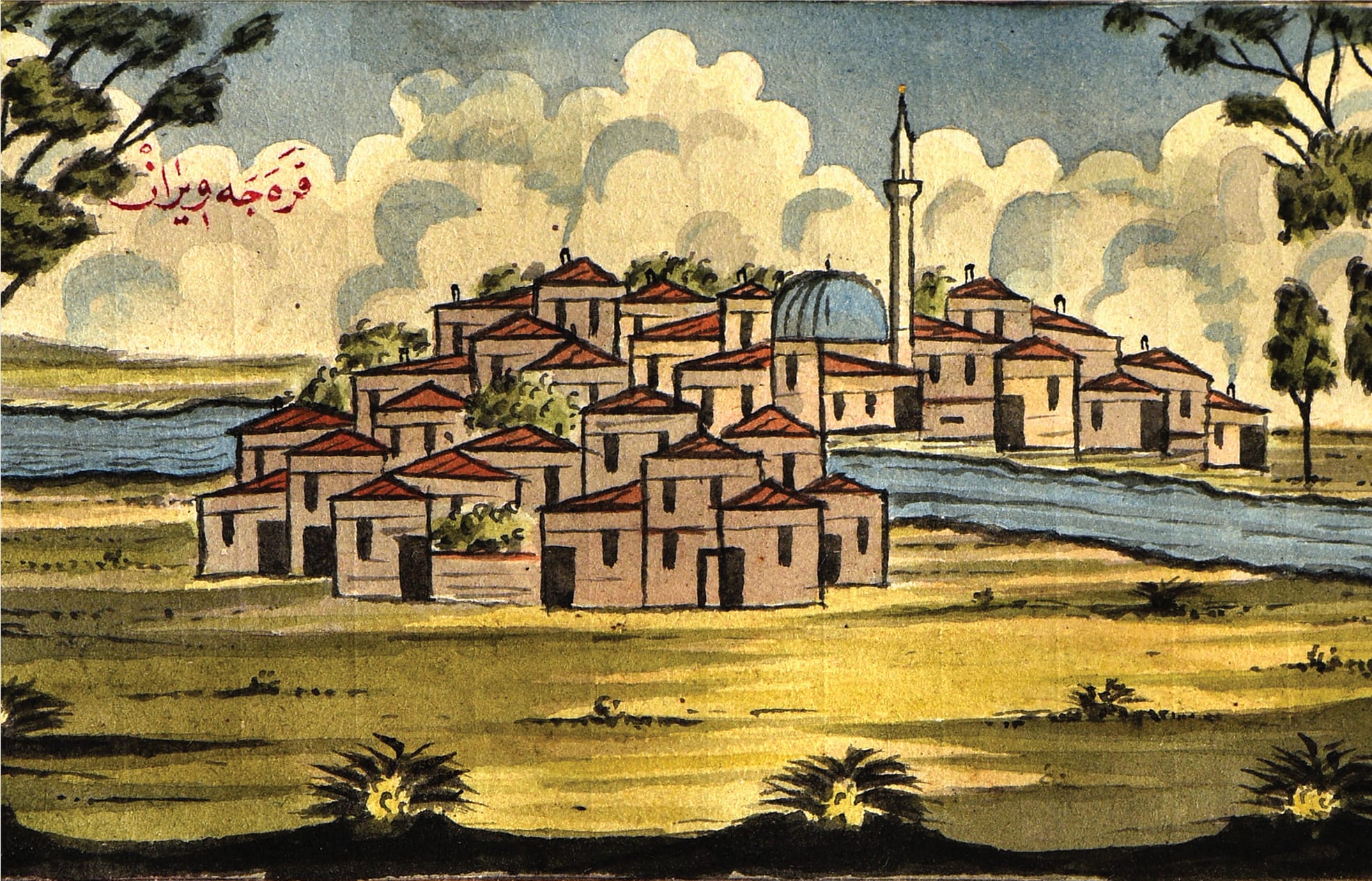
Karacaviran, 1811. Osman Şakir Efendi, Musavver Sefaretname-i İran, folio 29b, watercolour. Turkish Manuscripts Institution, Millet Manuscript Library, Ali Emiri History Collection.
- 1Place name in red ink: قرهجهویران, Karacaviran. The former name of Kurşunlu.
- 2The domed mosque and minaret are depicted as the tallest structure in the town.
- 3The Saz Stream, flowing through the town.
- 4Smoke rises from the chimneys: a living posting town where travellers stopped for the night.
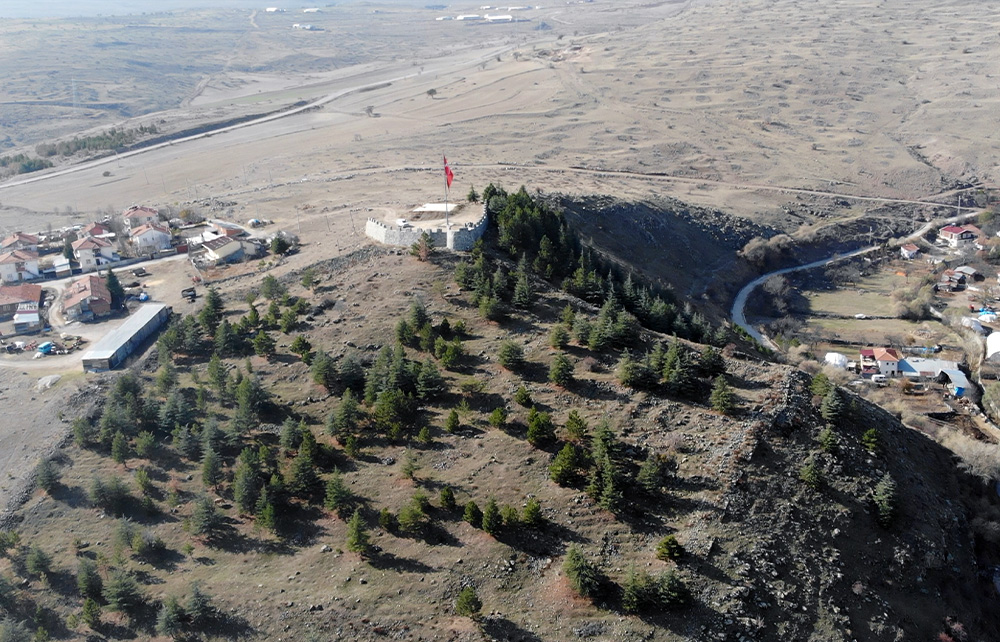
Anadinata Castle, Byzantine period. Approximately 450 metres of fortification walls survive on the hill south of the district centre. It is a first-degree archaeological conservation area.
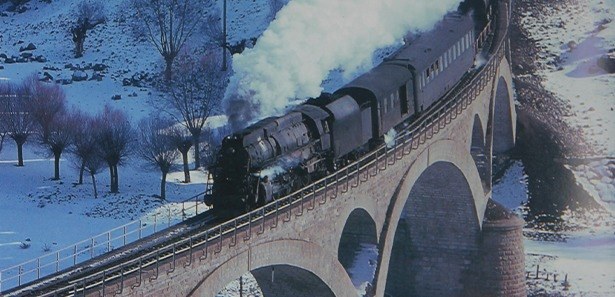
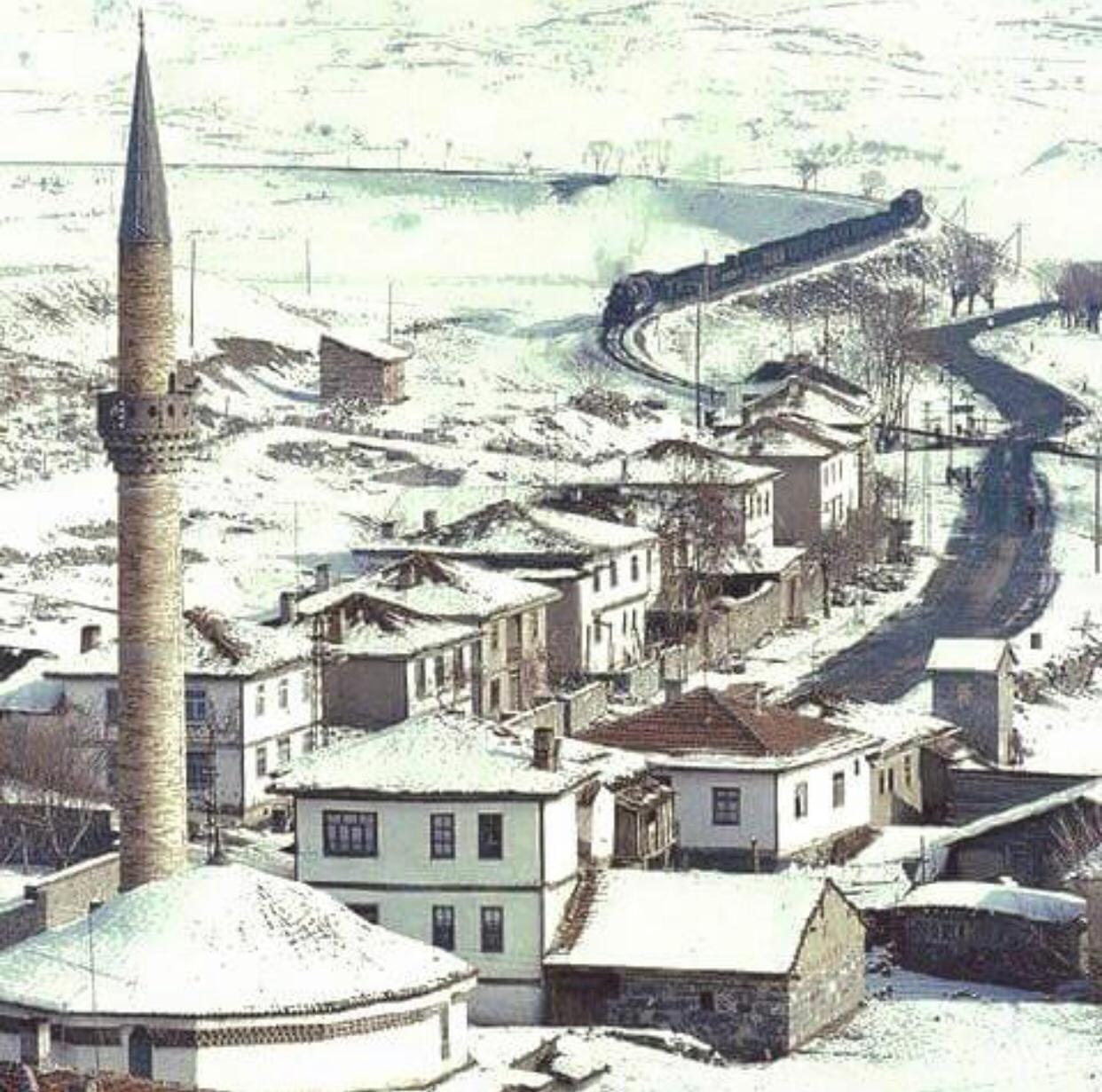
The railway reaches Devrez, 1930s. The Irmak–Filyos line runs through the town. The steam train winding between snow-covered hills forms part of local memory.
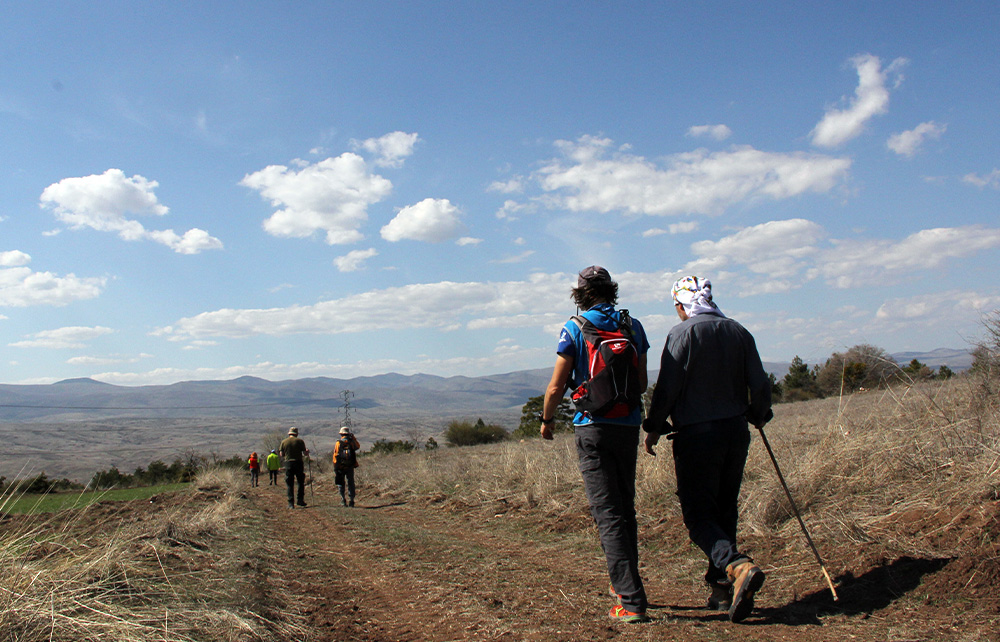
Paphlagonia, 1st millennium BC – 4th century AD. The southern part of the region ancient authors called Paphlagonia, situated on the road network between Gangra and Pompeiopolis.
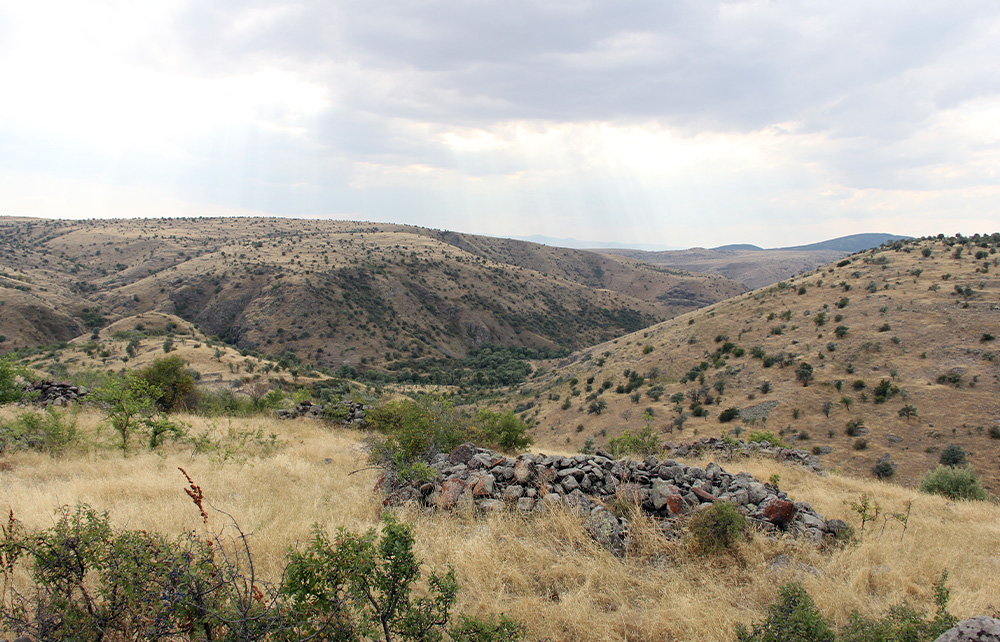
Hittite routes, 2nd millennium BC. On the corridor leading from the Black Sea to Central Anatolia—a passage that, in the words of the Congress invitation, has linked east and west for five thousand years.
Congress at a Glance
| Dates | 26–27 December 2026, Saturday and Sunday |
|---|---|
| Venue | İvedik Teknopark Ankara Congress Centre, Ankara Open in maps |
| Halls | Karacaviran and Karacaören. Sessions run concurrently in the two halls. |
| Organisers | Kurşunlu Historical Research Association, Kurşunlu Municipality and the Kurşunlu District Governorship |
| Attendance | Attendance is open to presenters and listeners. Listeners must also register. |
| Publication | The full texts of accepted papers will be published in the Congress proceedings. |
Key Dates
- Call for Papers published
- Abstract submission deadline31 days to go
- Congress, day one
- Congress, day two
- Full papers for the proceedings
Yabancı dildeki sunumlar için simultane çeviri
Kongrenin resmi dili Türkçedir. Yabancı konuşmacıların sunumları Türkçeye eş zamanlı çevrilecek.
Call for Papers for the 2nd Congress published
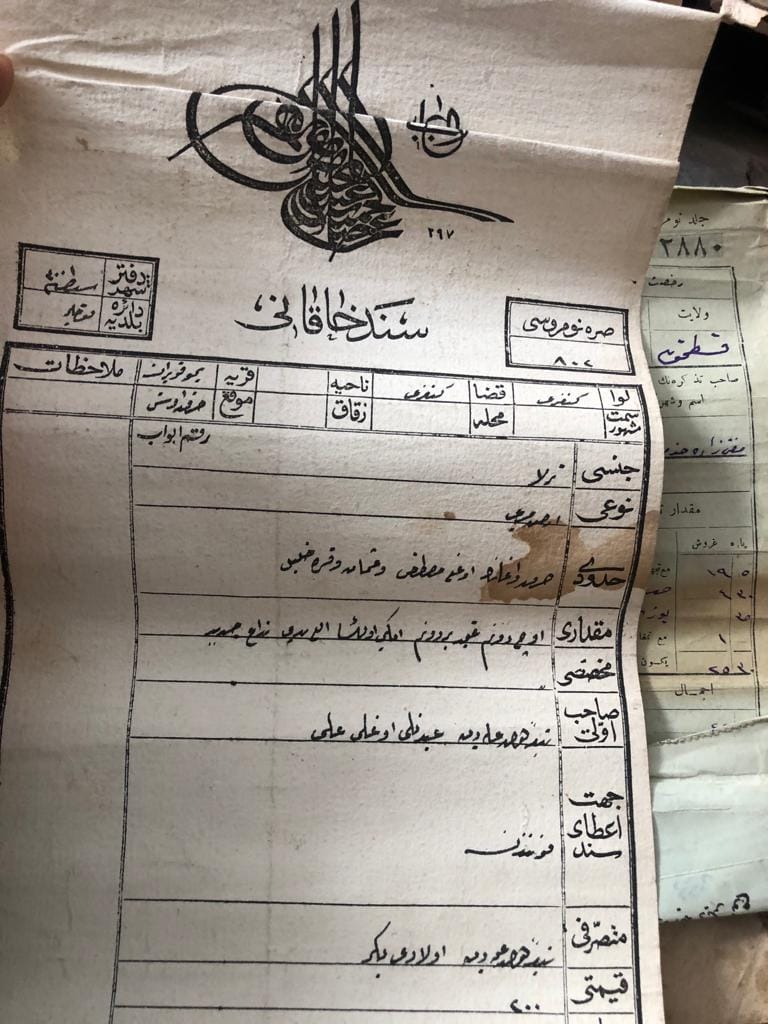
We welcome original research, local-history studies and presentations based on archival documents concerning the history of Kurşunlu and its surroundings, from prehistory to the Republic.
Kurşunlu lies on the route linking the Black Sea with Central Anatolia: a line stretching from the Hittites to Paphlagonia, from the Byzantine castle of Anadinata to the Ottoman posting town and then to the railway. The Congress devotes a session to every stop along this route.
- 2nd millennium BC
Hittite routes
On the corridor leading from the Black Sea to Central Anatolia—a passage that, in the words of the Congress invitation, has linked east and west for five thousand years.
- 1st millennium BC – 4th century AD
Paphlagonia
The southern part of the region ancient authors called Paphlagonia, situated on the road network between Gangra and Pompeiopolis.
- Byzantine period
Anadinata Castle
Approximately 450 metres of fortification walls survive on the hill south of the district centre. It is a first-degree archaeological conservation area.
- 11th–16th centuries
Turkmen settlement and tahrir surveys
Tribal names such as Çomartlar and Yazır became embedded in local settlement names. The place is recorded as Karacaviran in sixteenth-century tahrir registers.
- 1717
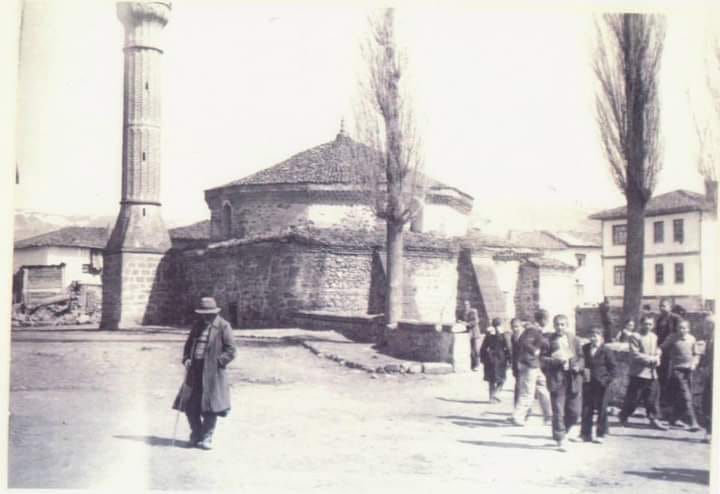
Pazar Mosque
One of the town's oldest dated structures still standing; restored in 1982.
- 1811
An embassy delegation stops here
Osman Şakir Efendi, a member of the Ottoman delegation travelling to Iran, depicts the posting town of Karacaviran in watercolour.
- 1930s
The railway reaches Devrez
The Irmak–Filyos line runs through the town. The steam train winding between snow-covered hills forms part of local memory.
- 1944 and 1951
On the fault line
The Gerede and Kurşunlu earthquakes reshape the fabric of the town.
- 2021
1st International Congress
Approximately 70 speakers and some 60 topics across two halls. The proceedings exceed 1,200 pages.
- 2026
2nd International Congress
On 26–27 December at İvedik Teknopark Ankara Congress Centre.
Scroll sideways to see every stop.
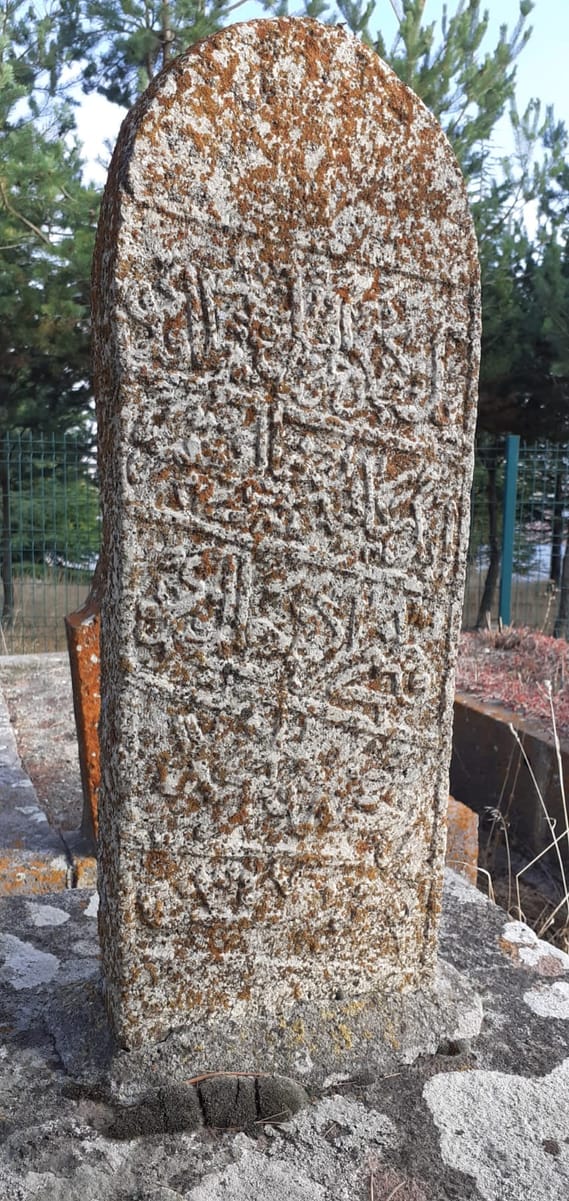
The first Congress featured more than twenty sessions and nearly seventy speakers across two halls. Some sixty subjects were discussed, ranging from tahrir registers and the tombstones of Paphlagonia to the 1951 earthquake and local nicknames. The papers were collected in proceedings exceeding 1,200 pages.